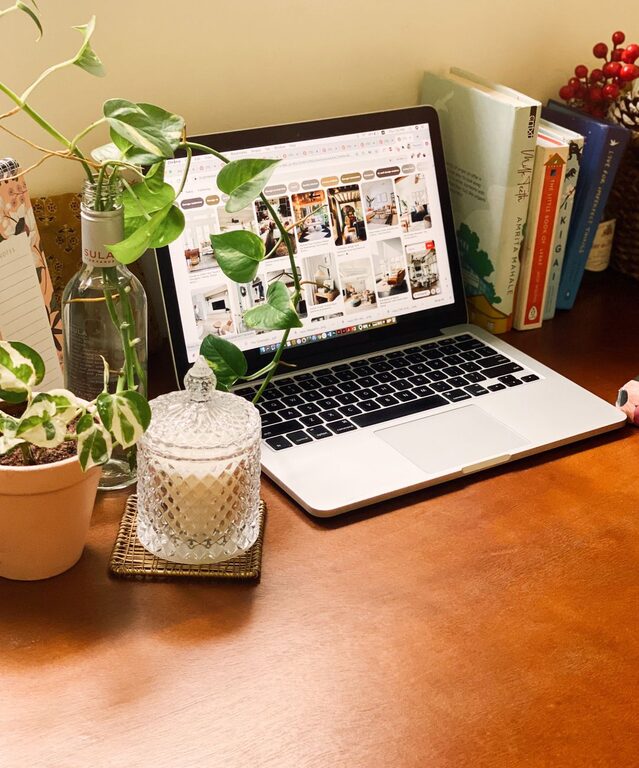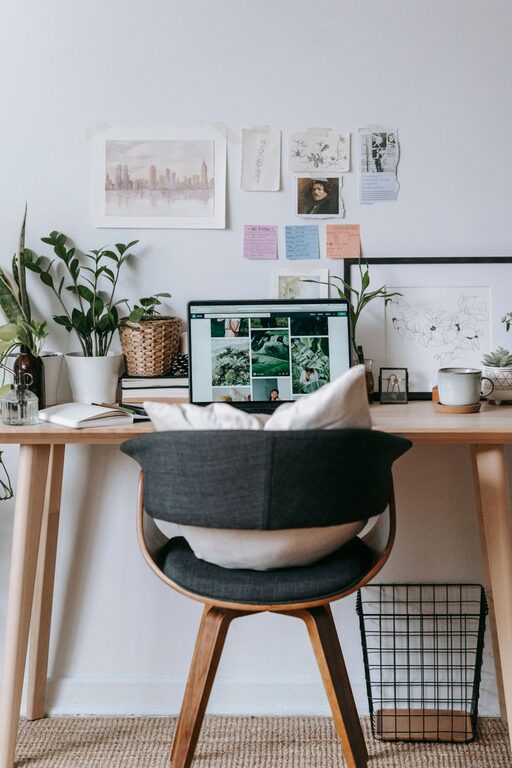
Creating a comfortable and efficient home office space is more important than ever. Whether you’re working remotely full-time, freelancing, or simply need a dedicated spot for managing personal tasks, your workspace should inspire focus while providing a welcoming atmosphere. In this post, we’ll share practical tips to help you design a cozy and functional home office that fits your needs.
Why a Cozy and Functional Home Office Matters
Your home office isn’t just a place to work—it’s a space where creativity, concentration, and productivity blend with comfort. A well-designed office can reduce stress, help separate work from personal life, and encourage better time management. By creating a space that feels inviting and suits your workflow, you’ll enjoy your work hours more and perform better.
Start with the Right Location
Choose a Quiet Corner
Pick a spot in your home that is quiet and away from high-traffic areas. This helps minimize distractions and creates a peaceful environment for focused work.
Consider Natural Light
If possible, place your desk near a window. Natural light improves mood and can reduce eye strain. Position screens carefully to avoid glare.
Evaluate Space and Layout
Ensure your chosen space is large enough for your desk, chair, and any additional equipment you need. Think about how you move around the space and where essential items will be placed.
Invest in Comfortable and Supportive Furniture
Choose an Ergonomic Chair
A good office chair supports your back and encourages proper posture. Look for adjustable features such as height, backrest angle, and armrests.
Pick a Desk that Fits Your Needs
Your desk should have enough surface area for your computer, keyboard, notepads, and any other tools you use regularly. Consider desks with built-in storage or shelves to keep things organized.
Add a Footrest and Adjustable Components
If your feet don’t rest flat on the floor, a footrest can improve comfort. Adjustable monitor stands or keyboard trays can help maintain an ergonomic setup.
Personalize Your Space for Coziness
Use Soft Textiles
Adding a rug, cushions, or a cozy throw can make your office feel warm and inviting.
Incorporate Plants
Plants not only add color and life but also improve air quality and have a calming effect.
Decorate with Meaningful Items
Display artwork, photos, or objects that inspire you. Just avoid overloading the space to prevent clutter.
Organize for Efficiency
Use Smart Storage Solutions
Invest in shelves, filing cabinets, and desk organizers to keep your workspace tidy. Clear surfaces help reduce distractions.
Keep Cables Neat
Use cable management tools like clips, sleeves, or boxes to prevent tangles and maintain a clean look.
Plan Your Workflow Zones
Designate areas for different tasks such as computer work, note-taking, or meetings (if applicable). This helps keep you organized throughout the day.
Optimize Lighting
Combine Ambient and Task Lighting
Use a mix of overhead lights and desk lamps to ensure your workspace is well-lit without harsh glare. Adjustable lamps can focus light where you need it most.
Choose the Right Bulbs
Opt for bulbs that provide natural daylight tones. This helps reduce eye strain and keeps you alert.
Establish a Routine and Boundaries
Set Clear Working Hours
Establishing consistent start and end times helps create structure and balance between work and home life.
Communicate Your Workspace’s Purpose
Let family members or housemates know when you’re working to minimize interruptions.
Keep Comfort in Mind
Maintain Proper Temperature
A fan, heater, or air purifier can help keep your office comfortable year-round.
Take Breaks and Stretch
Even in a cozy office, it’s important to step away, stretch, and refresh to stay productive.
Final Thoughts
Designing a home office that’s both cozy and functional takes time and thought, but the benefits are worth it. By choosing the right location, investing in ergonomic furniture, organizing effectively, and personalizing your space, you can create an environment where work feels less like a chore and more like a pleasure. Remember, your workspace should support your unique needs and preferences, so don’t hesitate to adapt these tips to fit your lifestyle.