
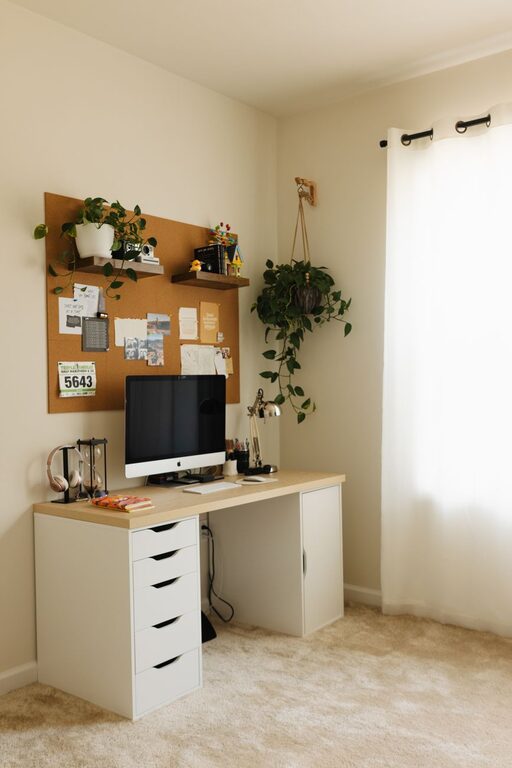
Creating a cozy and productive home workspace can transform how you work from home, helping you stay focused, motivated, and comfortable throughout the day. Whether you have a dedicated room or a small nook, thoughtful planning and simple adjustments can improve your work environment significantly.
In this post, we’ll explore practical tips to design a home workspace that encourages productivity while feeling warm and inviting.
Choose the Right Location
Finding the ideal spot for your workspace is the first step. Consider these factors:
– Natural Light: A place near a window offers natural sunlight, which boosts mood and energy.
– Quietness: Select a quieter area where you can concentrate with minimal distractions.
– Space: Ensure there’s enough room for your desk, chair, and any essentials without feeling cramped.
Even if space is limited, setting up in a corner or using a foldable desk can work well.
Invest in Comfortable and Supportive Furniture
Your furniture impacts both comfort and productivity.
– Ergonomic Chair: Choose a chair that supports your lower back and encourages good posture. Adjustable height and armrests are a plus.
– Appropriate Desk: Pick a desk at the right height and size to accommodate your computer, paperwork, and other tools.
– Additional Seating: If possible, add a small lounge chair or cushions for breaks or different working positions.
Comfortable furniture reduces fatigue and helps maintain focus over time.
Organize Your Workspace Efficiently
A clutter-free space promotes clearer thinking.
– Declutter Regularly: Remove unnecessary items and keep only what you use daily within reach.
– Use Storage Solutions: Incorporate shelves, drawers, or filing systems to organize papers and supplies neatly.
– Cable Management: Use clips or sleeves to keep cables tidy and prevent tangling.
Having a clean, organized desk helps you spend less time searching and more time working.
Personalize Your Space
Adding personal touches helps you feel relaxed and connected to your workspace.
– Decor: Add artwork, inspiring quotes, or plants that brighten the environment.
– Colors: Use colors that make you feel calm and motivated — blues for focus, greens for calmness, or warm tones for coziness.
– Lighting: Aside from natural light, use a desk lamp with warm light to reduce eye strain during late hours.
Personalization makes your workspace inviting and comfortable, which can boost creativity and satisfaction.
Optimize Lighting
Proper lighting is crucial for preventing eye strain and keeping your energy up.
– Maximize Daylight: Position your desk to take advantage of sunlight without creating glare on your screen.
– Task Lighting: Use adjustable desk lamps for focused lighting when working on paperwork or reading.
– Ambient Lighting: Soft overhead lights or floor lamps add warmth and reduce harsh contrasts.
Balancing different light sources creates a pleasant atmosphere conducive to productivity.
Minimize Distractions
Staying focused means controlling potential interruptions.
– Noise Control: Consider noise-canceling headphones or soft background music to block out distractions.
– Set Boundaries: If you share your home, communicate your working hours and space needs to others.
– Digital Discipline: Use website blockers or “do not disturb” modes to reduce interruptions from your devices.
Creating quiet, focused conditions helps maintain steady progress throughout the day.
Incorporate Movement and Breaks
Working for long stretches without moving can be tiring.
– Stretch and Move: Set alarms or reminders to stand, stretch, or walk every hour.
– Flexible Seating: Use a standing desk or alternating between sitting and standing can increase comfort.
– Break Area: If possible, have a spot nearby for breaks with comfortable seating or a spot for a quick snack.
Regular movement refreshes your mind and body, improving overall productivity.
Use Technology Wisely
The right technology supports your work without adding complexity.
– Reliable Equipment: Invest in a good computer, high-speed internet, and necessary peripherals like a mouse and keyboard.
– Organizational Tools: Use apps for task management, note-taking, and calendar scheduling.
– Backup Solutions: Regularly save your work and consider cloud storage for secure access.
Technology should simplify your workflow and keep you connected without causing frustration.
Keep the Air Fresh and Comfortable
A comfortable environment supports focus and health.
– Ventilation: Open windows periodically to get fresh air.
– Plants: Houseplants not only improve aesthetics but also purify the air.
– Temperature: Maintain a comfortable temperature using fans or heaters as needed.
A pleasant atmosphere contributes to well-being and effectiveness.
—
By combining these tips, you can create a home workspace that feels both cozy and productive. Remember that every person’s ideal setup may vary, so adjust these suggestions to fit your preferences and needs. With attention to comfort, organization, lighting, and boundaries, your home office can become a space where you enjoy working every day.